

Patients see a pill bottle. Doctors see a treatment plan. I see the 47 different instruments that had to be calibrated perfectly to make sure that the medication is safe and effective.
I’ve been around the block a few times, and I’ve learned that the most important things in life are often the things you can’t see. Trust. Integrity. And, in my line of work, the silent, steady hum of a perfectly calibrated instrument.
You know, it’s a funny thing. My mother, she took medication every day for the last 15 years of her life. I’d pick up her prescriptions, and I never once thought about how they were made. I just trusted that they were safe. That they would work. It wasn’t until I got into this business that I realized how much I was taking for granted.
That trust we all have in the medicine we take? It doesn’t just happen. It’s built, piece by piece, by a long chain of people and processes that most of us never even think about. And a huge part of that chain is calibration.
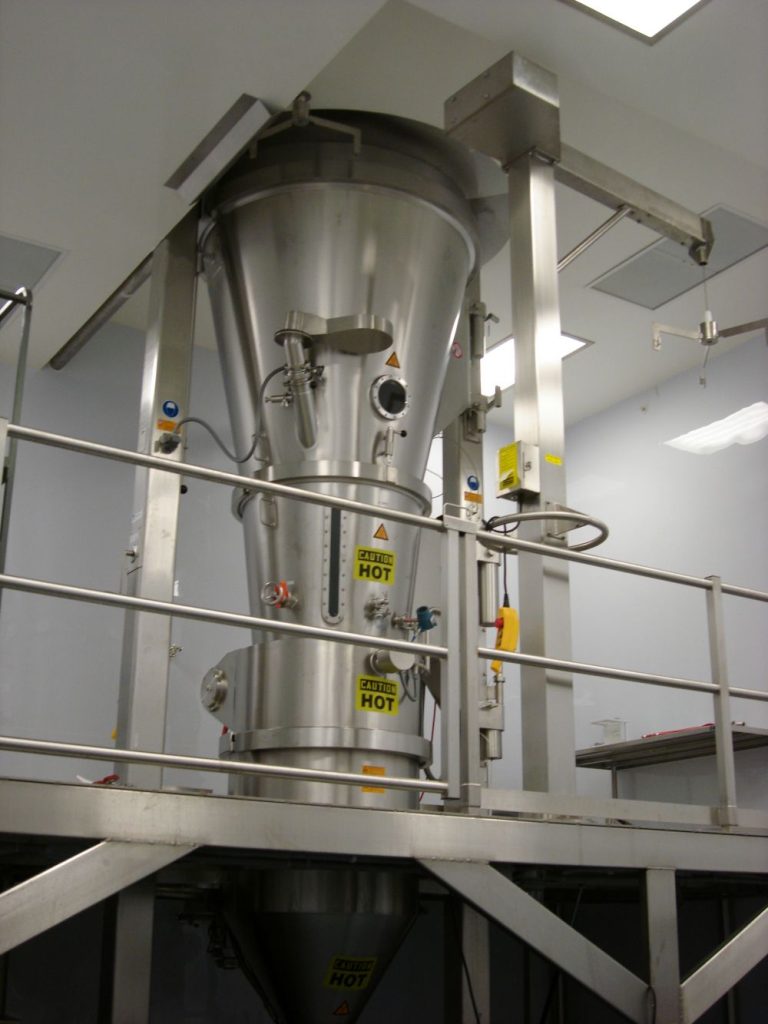 The Chain of Trust: From Instrument to Patient
Let’s follow a single pill, from the moment it’s just a bunch of raw materials to the moment it’s in your hand. At every single step of that journey, there’s an instrument measuring, monitoring, and controlling the process. And if that instrument is wrong, even by a little bit, the whole chain of trust is broken.
It starts with the raw materials. You’ve got to weigh them precisely. If the scale is off, the dose is wrong. Simple as that.
Then you move into production. You’re mixing, you’re heating, you’re cooling. Every one of those steps is controlled by an instrument. A temperature sensor, a pressure transmitter, a flow meter. If any one of them is out of whack, you could end up with a bad batch. A product that’s ineffective, or worse, dangerous.
And it doesn’t stop there. You’ve got to store the finished product in a controlled environment. That means monitoring temperature and humidity. Again, if those instruments are off, you could be compromising the stability of the drug.
The Instruments Behind the Medicine
I’m a details guy. I like to know how things work. So let’s talk about some of these instruments, these unsung heroes of the pharmaceutical world.
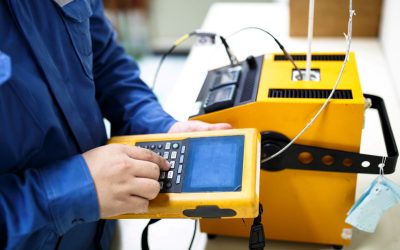
- Temperature Sensors: You’re making a biologic drug. The cells you’re using are finicky. They need the temperature to be just right. If it’s a degree too high, they die. A degree too low, and they don’t grow. That temperature sensor isn’t just measuring heat; it’s protecting the integrity of the entire batch.
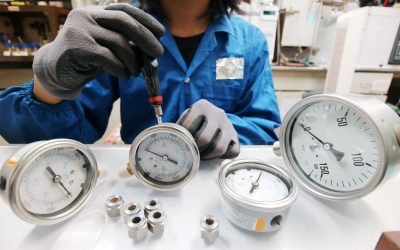
- Pressure Transmitters: You’re in a sterile manufacturing suite. You need to make sure the pressure in the cleanroom is higher than the pressure outside, so no contaminants can get in. That’s the job of a differential pressure gauge. It’s a simple instrument, but it’s the guardian at the gate.
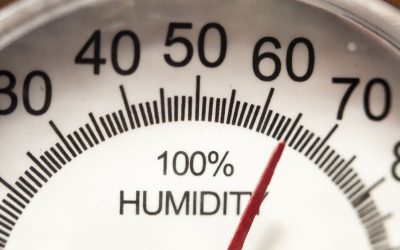
- Humidity Monitors: You’ve got a drug that’s sensitive to moisture. If it gets too damp, it can degrade. That humidity monitor in your storage facility? It’s not just measuring water vapor. It’s ensuring that the drug a patient takes a year from now is just as effective as the day it was made.
What Happens When Calibration Fails
I’m not here to scare anybody. That’s not my style. But it’s important to be honest about what’s at stake. When calibration fails, it’s not just a number on a report. It’s a real-world problem.
I’ve seen it happen. A batch of life-saving medication has to be thrown out because a temperature sensor was reading a few degrees off. A production line has to be shut down for weeks because a pressure transmitter wasn’t calibrated correctly. These things have real consequences. Financial consequences, for sure. But more importantly, consequences for the patients who are waiting for those medications.
The Unseen Heroes
So next time you see a pill bottle, I want you to think about the unseen heroes behind it. The quality control professionals, the manufacturing operators, and yeah, the calibration technicians. The guys who go into these facilities, day in and day out, and make sure that all those instruments are telling the truth.
They’re not doing it for the glory. Lord knows, nobody’s throwing them a parade. They’re doing it because they know that somewhere, at the end of that long chain of trust, there’s a person. A mother, a father, a child. Someone who’s counting on them to get it right.
And that, at the end of the day, is what this is all about. It’s not just about business. It’s about people. And that’s something I’ll never lose sight of.


0 Comments